
The GHI Fund proudly support soldiers, lone soldiers, and active reservists in funding trauma therapy via private practice multilingual therapists to provide imminent specialized care. Soldiers can select their own therapist through our database of participating therapists.

Fundamentals of Trauma Recovery, Part 6
By: Chava LedererIn building muscle, you will literally build your container to bear it all. When your container is fortified, recovery will be easier.
Read More
Challenges and Advise for People in Self-Quarantine
By: Linda AvitanSelf-quarantine is a situation that can be very stressful and challenging on many levels to oneself and one's relationships. This post examines the areas which may be challenging in an attempt to legitimize those difficulties. I offer the opportunity to reach out and seek ONLINE help in order to get through this trying period in a positive way.
Read More
Fundamentals of Trauma Recovery, Part 5
By: Chava LedererIf you feel ashamed in relation to any part of your trauma, you deserve to connect with others and experience the relief that comes with dissipating shame.
Read More
Fundamentals of Trauma Recovery, Part 3
By: Chava LedererWhile extremely distressing, flashbacks are actually memories. Registering what is a memory, and what is happening now, is essential.
Read More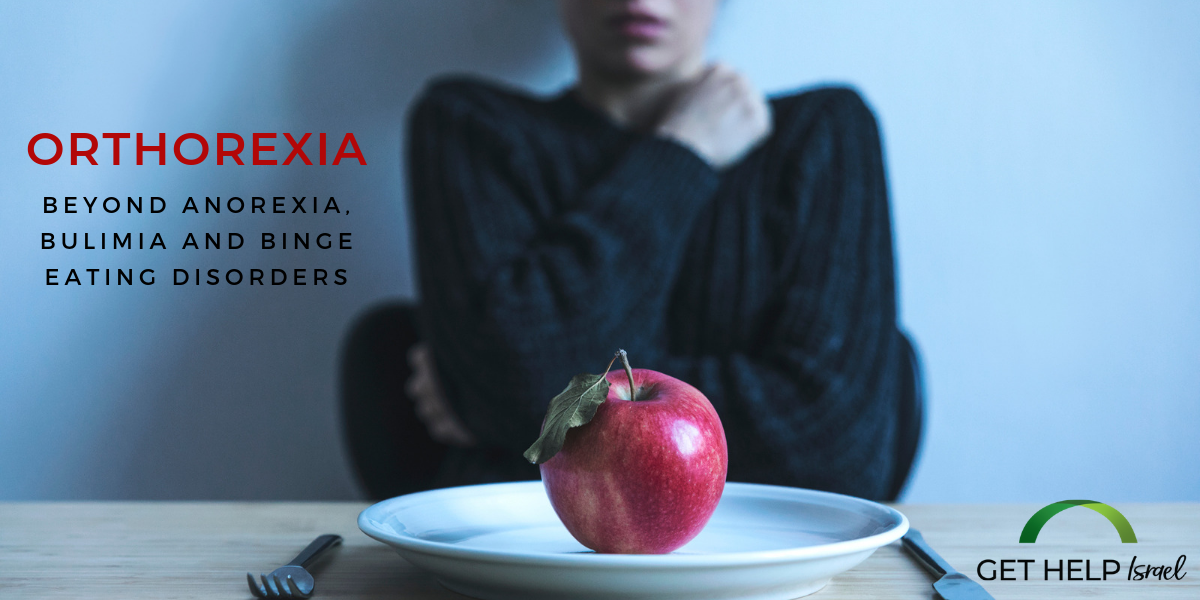
Beyond Anorexia, Bulimia and Binge Eating Disorder: Understanding The Spectrum of Disordered Eating Behaviours
By: Hadassah (Johanna) Hazan
I feel frustrated when people dismiss lesser well-known disordered eating behaviours. My experience has led me to very confidently believe, that no one ends up in these sort of patterns, without there being something else going on, something that feels as if it requires some sort of distraction from, or total obliteration of. These things need healing. If they aren’t, they persist and the behaviours (coping mechanisms) developed to deal with them become harder to shift out of, thus limiting a person’s life ever more destructively.
Read More

Separation Anxiety
By: Jeni DantoWhen we hear the term “Separation Anxiety,” we often think of young children off to pre-school, crying because they don’t want their parents to leave. But Separation Anxiety can come any time your child leaves the nest — especially at college age. And it’s not just limited to the child — parents can also experience Separation Anxiety when their child leaves them.
Read More
You and Your Body
By: Chava LedererYour body is not all of who you are, but it is a constant. You are in relationship with your body always.
Read More.png)
Understanding Relational Therapy and Why It Matters in Eating Disorder Treatment
By: Hadassah (Johanna) HazanThis piece traces the evolution of relational therapy and shows why its emphasis on attunement, authenticity, and connection is especially effective in treating eating disorders. It reveals how the therapeutic relationship itself becomes a corrective emotional experience, allowing clients to access and heal the deeper wounds beneath disordered eating.
Read More.png)
Can Adolescents Act Abusively?
By: Aviva Zahavi-AsaParents are often reluctant to admit that their teenager is acting in ways which are abusive due to their own feelings of guilt, shame or a sense of failure. In some of these cases, the adolescent was exposed to domestic violence or experienced abuse within the family at an earlier age and then repeats familiar family patterns at a later stage. In other cases, however, no history of abuse exists within the family.
Read More
Is Anxiety Killing Your Chances of Finding Love?
By: Micki Lavin-PellAnna, a 35-year old, slim, petite and attractive brunette woman from Miami Beach had been…
Read More.png)
Finding Home Within
By: Naomi ZaudererMoving to a new country can feel overwhelming, but settling in is about more than just checking off tasks—it’s about finding a sense of home within yourself. This post explores the emotional side of acclimating to life in Israel, offering reflections on embracing uncertainty, building small rituals, and trusting yourself through the transition. Whether you're struggling with daily frustrations or seeking a deeper sense of belonging, this guide offers a compassionate perspective on navigating change.
Read More.png)
The Art of Communicating Honestly and Responsibly (Part 1 of Winter Series 5786)
By: Yonatan SchechterExpressing feelings in marriage is essential, but it must be done honestly and responsibly to strengthen rather than damage your relationship.
Read More.png)
Grief in the Desert: Moshe, Miriam, and Mei Meriva
By: Ariel PenkowerThe story of Mei Merivah is among the Torah's most challenging narratives. This reflection offers a fresh perspective on Moshe's act of striking the rock, exploring it through the lens of bereavement, emotional overwhelm, and the human limits of leadership. Drawing on both Torah and psychology, it invites us to consider what this event might teach us about grief, compassion, and our shared humanity.
Read More.png)
Challenges of Returning Reserve Soldiers
By: Aharon Herskovitz“Wow, so great you’re home, Aharon, now everything can go back to normal!” This sentence, and variations of it, have been said to me and countless other reserve soldiers over the last few months. Though well-meaning (and also an important injection of optimism and hope!), people’s wider networks are sometimes unaware of the challenges that returning reserve soldiers face.
Read More
On Becoming a Personal Scientist: Beginnings
By: Ruth ShidloAs the baby gains enough safety and security via his attachment systems with the significant people in his life, he is able to identify and then befriend the familiar within the strange.
Read More
To Be Mindful Or Not To Be
By: Chava LedererSo, I encourage mindfulness. I invite my clients to be mindful: to attend, without judgment, to the present moment. I invite them to notice themselves, and use that awareness to inform their next move.
Read More
Back To School With ADHD
By: Linda AvitanAdvice to parents who face particular challenges around back-to-school among children with ADHD. Suggestions are offered in the context of common challenges such as difficulties with lack of routine, learning new habits and impulsivity. I invite parents to consult with me to examine ways to understand what's behind certain behaviors and build strategies, smoothing the way for better coping.
Read More.png)
Opening the Emotion Valve: Challenges and Strategies
By: Yonatan SchechterEmotional growth is hard-won, but with the right approach, it is within anyone's reach.
Read More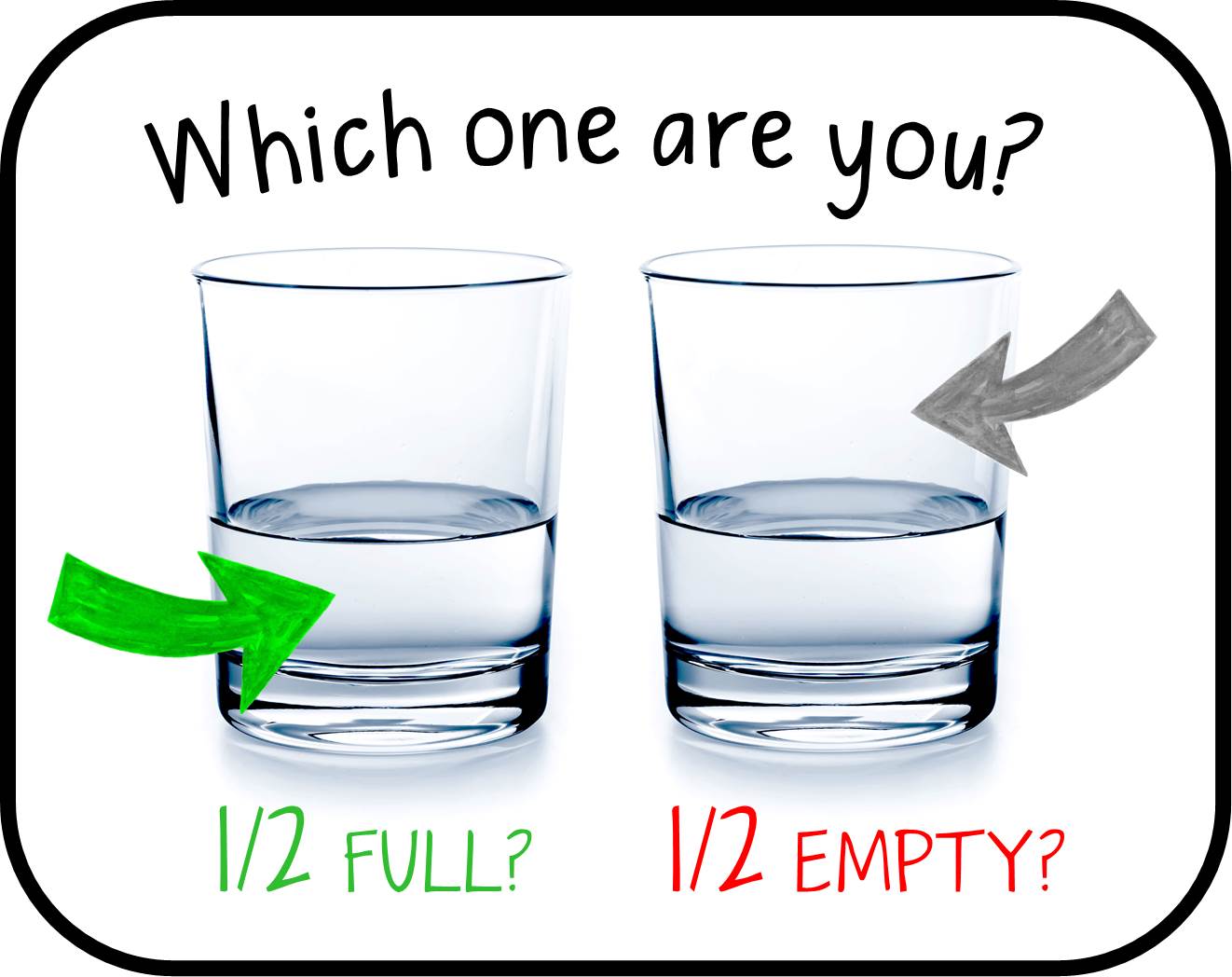
On Becoming a Personal Scientist: Living in the half-full glass
By: Ruth ShidloThe half-full glass is the antidote to the half-empty one.
Read More
At Home Therapeutic Art Activities for Children During Global Pandemic
By: Sara FeinbergDuring challenging times, it is important to encourage children to express how they are feeling. Children often have difficulty articulating their emotions verbally- communicating through art or play is a great alternative. This can serve as a cathartic release, empower them, and help them process new circumstances.
Read MoreFor Soldiers and Reservists in Active Duty