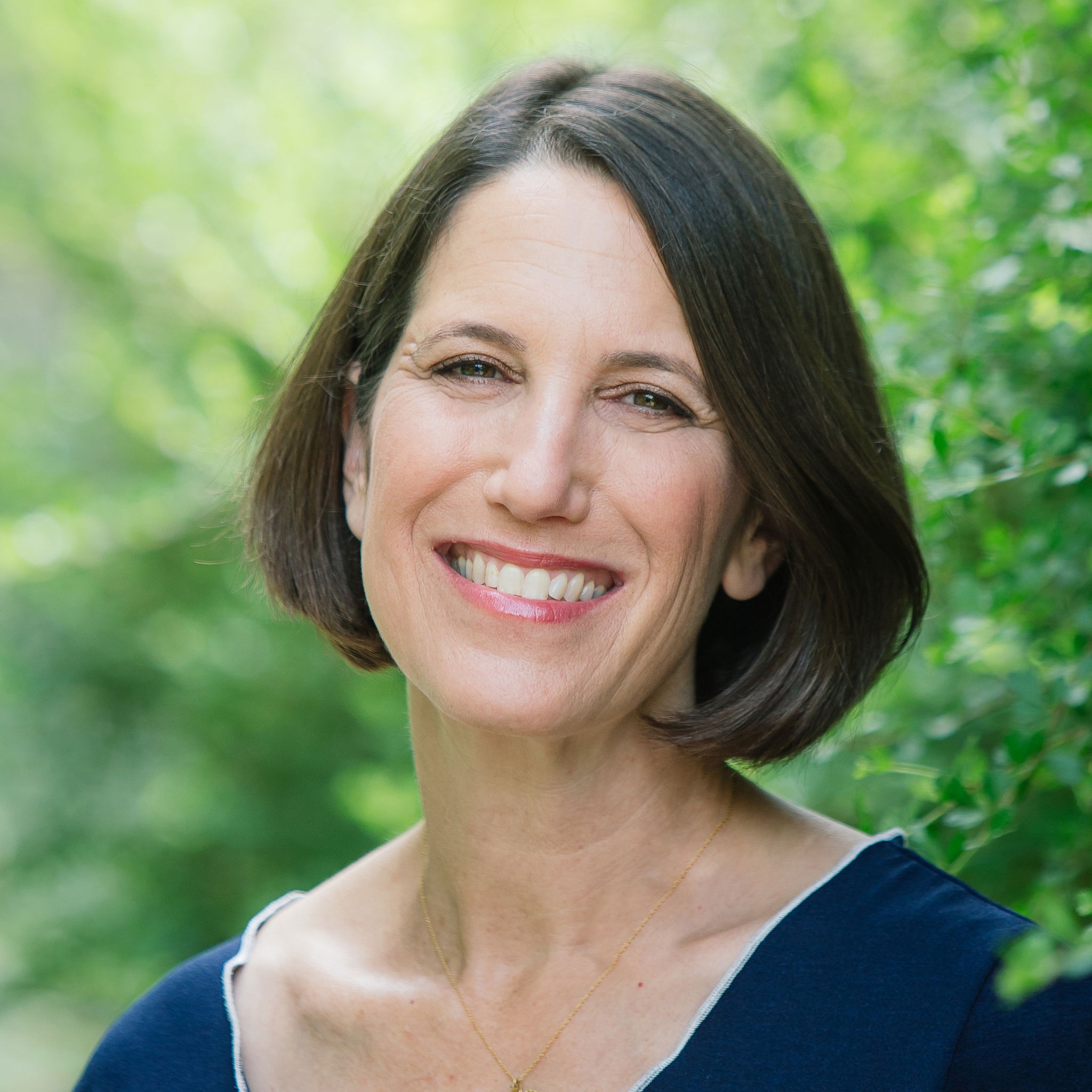
Elizabeth Kay
Credentials
CBT Therapist, Garden Therapist
Finances
- Hachamamot Street
- Shilat
 Verified
Credentials
Expressive Arts Therapist
CBT Therapist, Garden Therapist
MA
Finances
350-500 NIS
None
N/A
ABOUT THE THERAPIST
I support children, teens, and adults in navigating both trauma and everyday emotional and psychological challenges, including stress, anxiety, low self-esteem, and life transitions.
As a trauma-informed CBT therapist, I believe that words alone are not always enough to support healing. Because the mind and body are deeply connected, I integrate art and garden-based therapy into my work, creating opportunities for grounding, creativity, and connecting mind and body.
In this space, you can choose the approach that feels most comfortable for you, whether that means working with your hands in the art studio, spending time in the therapy garden, or sitting in an armchair while we talk through and process your experiences together.
I help clients develop new perspectives that foster resilience, self-understanding, and long-term growth. My approach is collaborative, paced to your needs, and tailored to meet you where you are.
I believe that each person has innate strengths and capacities for healing. My role as a therapist is to help clients reconnect these inner resources and develop new ways of understanding themselves and their experiences. Drawing on art therapy, garden therapy, CBT-informed techniques, somatic awareness, and the restorative qualities of nature, I create a supportive space where clients can explore, heal, and grow. Together we work to reduce stress, process the effects of trauma, strengthen self-esteem, and cultivate greater resilience and well-being.
- Trauma and the lasting effects of traumatic experiences
- Stress, burnout, and emotional overwhelm
- Anxiety and intrusive thoughts
- Depression and low mood
- Self-esteem, self-worth, and confidence building
- Grief, loss, and life transitions
- Coping with illness and health-related challenges
- Emotional regulation and resilience building
- Recovery from difficult life experiences
- Personal growth and self-discovery
- Mind-body connection and somatic awareness
- Adjustment to change and uncertainty
- Creative expression for healing and well-being
I believe you are the expert in your own life, and my role is to provide a safe, accepting, and supportive space where you feel heard, understood, and empowered to explore what matters most to you. I work alongside you, offering guidance, creative and somatic approaches, and practical tools to help you better understand your mind, body, and nervous system.
Together, we build on your inner resources, strengthen resilience, and work towards meaningful, sustainable change that extends beyond the therapy room.
My practice is located in Shilat, near Modiin within a garden center offering a unique therapeutic environment that integrates nature and creativity. I work from an art studio, a potting room, and a therapy garden where clients can engage in creative, sensory, and nature-based processes as part of their therapeutic journey. The air-conditioned art studio also includes comfortable seating for talk-based sessions, providing a common private space for reflection and conversation. This blend of environment supports grounding, expression, and embodied exploration alongside traditional therapeutic dialogue. In addition to individual therapy, I facilitate stress-relief workshops for individuals and teams within organizations, as well as support groups. These sessions are designed to help participants better understand their nervous system responses, reduce stress, and build coping strategies that can be applied in both personal and professional contexts. The workshops are experiential and focus on supporting wellbeing, connection and sustainable resilience.
QUALIFICATIONS
MA
Haifa University
2016
Degree
MAEducation
Haifa UniversityYear of Graduation
2016Years in Practice
9
ADDITIONAL CREDENTIALS
CBT - Metiv - 2026
Garden therapy - 2012
DISTANCE COUNSELING
None
PRIMARY SPECIALTIES
Anxiety / Panic
Behavioral Concerns In Children
Grief
Stress Management
Trauma / Post Traumatic Stress Disorder PTSD
ADDITIONAL SPECIALTIES
Adjustments
Anger Management
Cancer / Terminal Illness
Depression
Life Transitions
Self-Esteem
Self-Harm / Suicide
CLIENT FOCUS
Population
Children
Adolescents
Adults
Men
Women
Languages Spoken
English
Hebrew
Native Language
English
TREATMENT APPROACH
Art TherapyArt therapy has clients express themselves through creative mediums such as drawing, painting, collage, coloring, or sculpting. Clients can interpret their subconscious world that is expressed in their art which could lead to a better understanding of their feelings and behavior. Artistic talent is not a prerequisite for art therapy as it’s not as much about the end result as much as it is about the process. The therapist looks for meaning in the creative choices of the work and the clients’ inner world. This therapeutic method enables clients to express their inner thoughts and feelings through creative expression rather than just talking about them.
Cognitive Behavioral Therapy (CBT)Cognitive Behavioral Therapy (CBT) is a type of psychotherapy that focuses on how one's thoughts, feelings and behaviors are connected and can be changed. It is based on the idea that how we think (cognition) and how we feel (emotion) can influence how we behave. CBT helps people identify and challenge distorted thinking and replace it with more balanced thinking, leading to improved mood and behavior. ‘Homework’, usually containing practical writing exercises, is often completed by the client between sessions to reinforce the therapy. Examples of tools that practitioners often use are journaling, challenging beliefs, and mindfulness.
Somatic Experiencing (SE)Somatic Experiencing (SE) is a body-oriented approach to the healing of trauma and other physical and psychological stresses. It is based on the idea that the body is a powerful source of healing and that unresolved trauma can be resolved through the process of bringing awareness and attention to the physical sensations of the body. By gradually and gently guiding individuals through the sensations associated with their traumatic experience, SE can help to restore balance and well-being more quickly and effectively than traditional psychotherapy. SE utilizes the body’s natural ability to regulate and heal itself and supports individuals in developing more resilience and self-regulation. Somatic Experiencing aims to help people move past the place where they might be “stuck” in processing a traumatic event. SE is often used to treat symptoms of post-traumatic stress disorder (PTSD), anxiety, depression, and other mental health issues.
Garden Therapy
SERVICES OFFERED
Individual Therapy
Group Therapy
Workshops/Educating