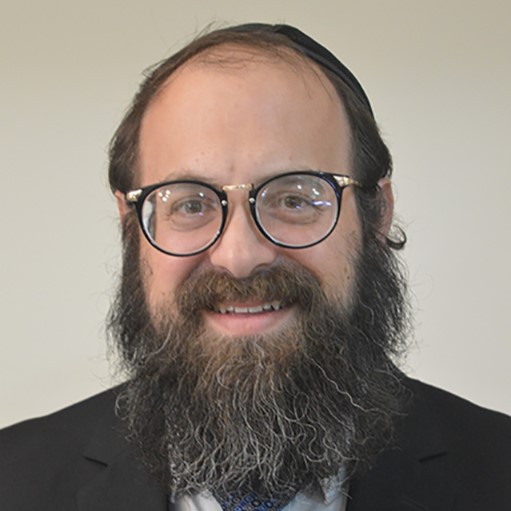
Moshe Braun
 Verified
Credentials
Finances
Licensed in Israel
- Nachal Uriyah 11/2
- Ramat Beit Shemesh, 9909529
Moshe Braun
 Verified
Credentials
Clinical Social Worker
MSW
Finances
350-500 NIS
None
N/A
ABOUT THE THERAPIST
Change is what we all strive for. As a therapist, my goal is to help empower my clients reach their goals, giving them the confidence to live their lives more effectively. I grew up in Monsey, NY, owned numerous businesses, and made aliya in 2006 with my family.
I have worked with non-profits in the medical and emotional health fields for over tewnty years. I earned a Masters in Social Work at Wurzweiler School of Social Work, and trained in Emotional Focused Therapy - EFT for couples, EMDR for trauma, including RTEP and ISP protocols, for recent traumatic episodes. In addition, I am a CAMS trained therapist to help clients who are suicidal. I also trained as a Certified Sex Therapy Informed Professional - CSTIP.
To customize your treatment plan, or schedule a meeting, please contact me.
QUALIFICATIONS
MSW
Wurzweiler School of Social Work
2021
Degree
MSWEducation
Wurzweiler School of Social WorkYear of Graduation
2021Years in Practice
3
LICENSED IN ISRAEL
Registered Social Worker in Israel
43153
ADDITIONAL CREDENTIALS
EFT Couples Trained - March 2023
EMDR Level 1 - January 2024
Certified Sex Therapy Informed Professional - January 2024
CAMS - Cams-Care - 2025
EMDR - The EMDR Institute of Israel - 2024
DISTANCE COUNSELING
Online Therapy
PRIMARY SPECIALTIES
Anxiety / Panic
Couples / Relationship / Marriage Counseling
Self-Harm / Suicide
Sexual Issues
Trauma / Post Traumatic Stress Disorder PTSD
ADDITIONAL SPECIALTIES
Attention Deficit Hyperactivity Disorder (ADHD)
Executive / Career / Life Coaching
Family Issues
Gender Identity Concerns
Grief
Life Transitions
Parenting Issues / Training
Self-Esteem
Spiritual Concerns
Stress Management
CLIENT FOCUS
Population
Adolescents
Adults
Couples
Families
Men
Languages Spoken
Hebrew
English
Yiddish
TREATMENT APPROACH
Attachment-Based Family Therapy (ABFT)Attachment-based family therapy (ABFT) is a form of psychotherapy that focuses on the family's relationships and communication patterns. It is based on the theory that strong and secure attachments between family members are essential for emotional health and well-being. The goal of ABFT is to identify any problems in family relationships, enable family members to become more attuned to each other’s needs, and build a secure bond between them. It also helps family members to practice healthy communication skills, learn effective problem-solving strategies, and build trust within the family.
Emotion-Focused TherapyEmotion-focused therapy (EFT) is a type of psychotherapy that is based on the idea that emotions play a key role in a person’s mental health. EFT focuses on helping people to identify, accept, and manage their emotions in a healthy and productive way. The goal of EFT is to help people identify and express their emotions, understand how those emotions impact their behavior, and learn how to manage their emotions in a way that is adaptive and healthy. EFT is a research-based approach to psychotherapy that has been found to be effective in helping people manage a variety of mental health conditions. It has been used successfully in the treatment of individuals, couples, and families, as well as with groups. EFT is particularly beneficial for people who struggle with emotional regulation, mood disorders, anxiety, trauma, and relationship issues.
Eye Movement Desensitization and Reprocessing Therapy (EMDR)Eye Movement Desensitization and Reprocessing (EMDR) is a psychotherapy treatment that was originally designed to alleviate the distress associated with traumatic memories. It uses a structured approach to address the past events that may be causing current distress, and uses bilateral stimulation, such as eye movements, to activate different neural networks in the brain in order to reduce symptoms of trauma. EMDR has been found to be effective for a wide range of mental health issues, including anxiety, depression, and PTSD.
SERVICES OFFERED
Individual Therapy
Coaching
Couples Therapy
Family Therapy
Hadrachat Horim