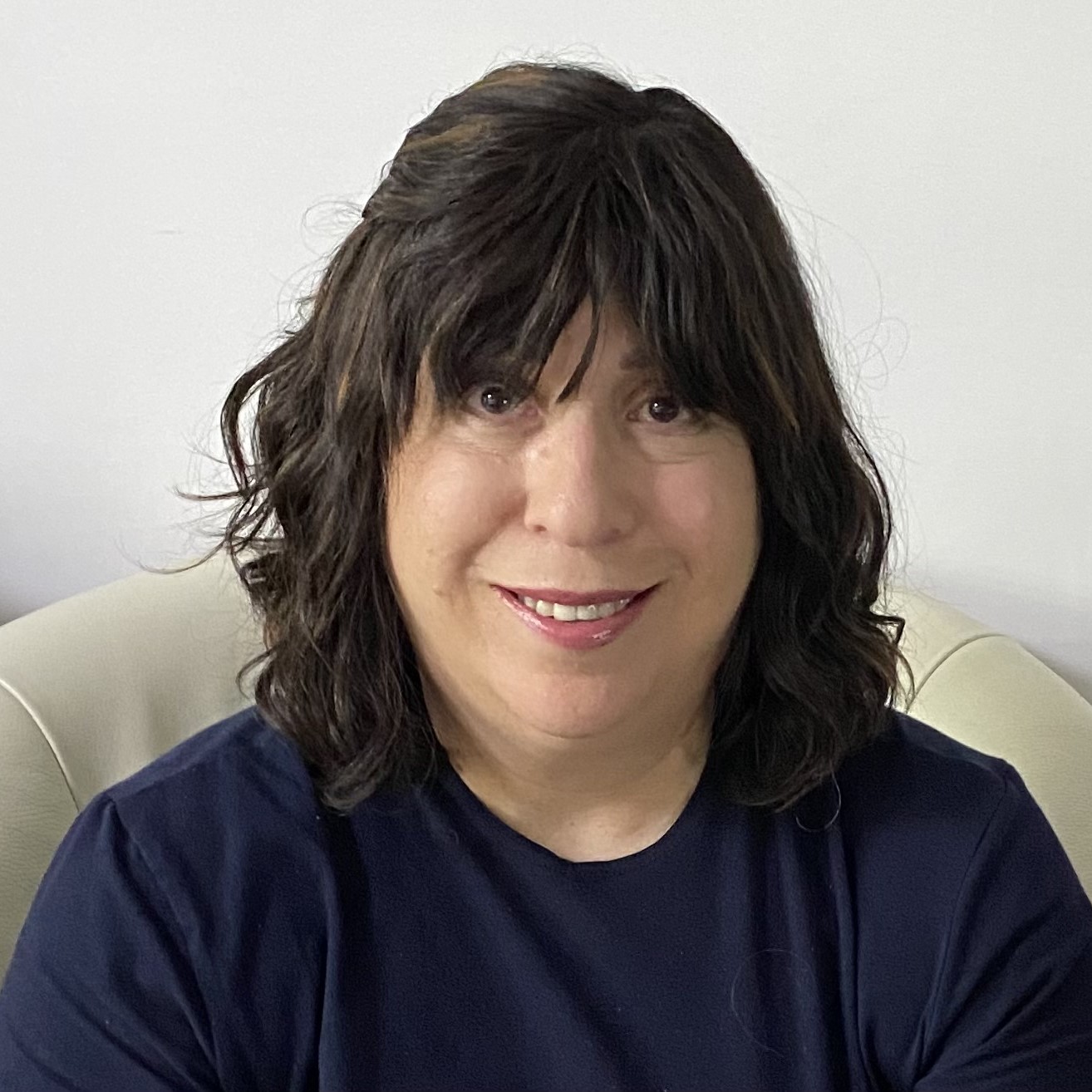
Nechama Goodman
 Verified
Credentials
Finances
Licensed Abroad
- 6 Nachal Habesor
- Ramat Beit Shemesh, 9963235
- Email Me
-
 Business HoursEveningsFridays/Weekends
Nechama Goodman
 Verified
Credentials
Psychotherapist
MSW
Finances
350-500 NIS
N/A
Sliding Scale | Student Discount
Discount for soldiers

ABOUT THE THERAPIST
Everyone is entitled to, and capable of, pursuing a life that is meaningful and fulfilling.
My Solution Focused approach to helping is rooted in my fundamental belief in people. It is my conviction that the human being is created with tremendous strengths and resources to deal with life. As such everyone has much greater capability than they realize. Especially when you feel overwhelmed it’s difficult to see your inherent capacity.
While I do not ignore the pain and the difficulties people want to talk about, I employ methods that are primarily focused on how you want to be and what you want for yourself that will improve the quality of your life. I help you to examine your situation so you understand that you are doing your best with the tools you have at hand. My purpose is to aid you in reducing your struggles and pain by helping you to tap into your many under-appreciated, un-noticed or even perhaps ignored resources.
Since October 7th, I have learned and have been practicing EMDR skills. I have been working with active-duty soldiers, their spouses, and soldiers in the process of being released from their service.
Most recently I have gotten ISP, Immediate Stabilization Protocol Training to enable me to work with survivors of the Bondi attack.
I have a lot of experience helping people cope with a broad range of emotional problems including, anxiety, depression, grief, stress, anger, frustration, and trauma. I have helped people deal with their own problems across the lifecycle and the problems of their children, parents, and significant others from developmental issues and learning disabilities through to midlife challenges, and issues from the aging process, chronic phyiscial medical conditions and dementia.
My primary role as a therapist is to hold up a mirror with you to help you see you are already doing things that are working well for you. These resources can be applied to increase your efficacy in dealing with your problems.
My commitment is to provide the best clinical care to you from our first meeting. You deserve to come out of every appointment with a sense of making progress.
QUALIFICATIONS
MSW
Wurzweiler School of Social Work
1981
Degree
MSWEducation
Wurzweiler School of Social WorkYear of Graduation
1981Years in Practice
11
LICENSED ABROAD
License Category
Clinical Social WorkerLicense Number
13904, MarylandDISTANCE COUNSELING
Telephone Counseling, Online Therapy
PRIMARY SPECIALTIES
Adjustments
Grief
Mood Disorders
Trauma / Post Traumatic Stress Disorder PTSD
ADDITIONAL SPECIALTIES
Alzheimers / Dementia
Anxiety / Panic
Bipolar Disorder
Cancer / Terminal Illness
Depression
Family Issues
Learning Disabilities
Life Transitions
Postpartum Depression
Self-Esteem
Spiritual Concerns
Stress Management
CLIENT FOCUS
Population
Adults
Men
Women
Geriatric
Languages Spoken
Hebrew
English
TREATMENT APPROACH
Internal Family Systems (IFS)Internal Family Systems (IFS) is an evidence-based psychotherapy that uses the metaphor of an internal family of parts to help people gain awareness of how different parts of themselves can interact in healthy and unhealthy ways. IFS encourages people to become curious about their different parts, with the goal of helping them gain access to their true Self or core. Through this process, people can learn to recognize and care for the different parts of themselves, as well as develop compassionate understanding for the origins of their parts. A key principle of IFS is that each part within the person has its own positive intention and is trying to protect the person in some way. By understanding the positive intention of each part, the practitioner and client can work together to help the parts feel heard and understood, and to find more adaptive ways of meeting their needs. IFS has been found to be an effective treatment for a variety of mental health issues, including depression, anxiety, trauma, and relationship issues.
Solution-Focused Brief Therapy (SFBT)Solution-focused therapy is a type of therapy that focuses on what is going right in a person’s life, as opposed to what is going wrong. It is based on the premise that when a person can identify what is working, they can build on it and make positive changes to the areas of their life that need improvement. A therapist using this approach will often ask questions designed to bring out a person’s strengths and resources, rather than focusing on problems or past issues. The aim of this type of therapy is to help people find solutions to their current problems, in order to build a better future. A solution-focused therapist encourages those in treatment to develop a vision of the future and offers support and guidance as they determine the skills, resources, and abilities needed to achieve that vision successfully.
Motivational Interviewing, Trauma informed treatment
SERVICES OFFERED
Individual Therapy