
The GHI Fund proudly support soldiers, lone soldiers, and active reservists in funding trauma therapy via private practice multilingual therapists to provide imminent specialized care. Soldiers can select their own therapist through our database of participating therapists.
.png)
Simcha Guilt
By: Elan KartenA therapist reflects on his sleeplessness on the eve of his son's wedding.
Read More.png)
Lesson from a Construction Site: Don't Dismiss the Scaffolding in Your Relationships
By: Yonatan SchechterMarriages, like buildings, sometimes need scaffolding - temporary, unglamorous interventions - that provide the platform needed to repair damage and build a strong, lasting structure.
Read More
How to Create a Sense of Normalcy at Home While Navigating the New Normal
By: Karen BurgmanCovid brings with it feelings of anxiety, stress and uncertainty. Though children deal with emotions in different ways, your child has been faced with school closures, cancelled events or separation from friends, they are going to need to feel loved and supported now more than ever.
Read More
Showing Up Just The Way You Are
By: Keren BurgmanAs we approach the holiday season and celebrations are upon us we can feel very…
Read More.png)
Who's Afraid of Retirement?
By: Rachel KaminetskyNavigating retirement is not only about filling your time or learning new skills. There is value in looking back, at what was, in addition to what’s next. There are relationships with others that will be impacted by retirement, and more than that; there is also the relationship with yourself.
Read More
Fundamentals of Trauma Recovery (Part 1)
By: Chava LedererIn trauma recovery, being mindful of your personal gauge will inform you what’s helpful, what is not, what soothes, what activates, what feels good, what is uncomfortable. Listening to your gauge is essential in deciding what’s the best for your recovery.
Read More.png)
Finding Home Within
By: Naomi ZaudererMoving to a new country can feel overwhelming, but settling in is about more than just checking off tasks—it’s about finding a sense of home within yourself. This post explores the emotional side of acclimating to life in Israel, offering reflections on embracing uncertainty, building small rituals, and trusting yourself through the transition. Whether you're struggling with daily frustrations or seeking a deeper sense of belonging, this guide offers a compassionate perspective on navigating change.
Read More
Grief for the Loss of our Parents
By: Jeanne S. LankinThose of us granted life have to face the loss of the most profound of all our relationships. The relationship a person has with a parent, affects every stage of our life. Therefore, losing a parent at each stage in life has unique challenges.
Read More
Lets Talk About Therapy The Same Way We Talk About Going To the Gym
By: Keren BurgmanImagine how much easier life would be if therapy was seen simply as a form…
Read More
Simmering Soup: On the Importance of Asking Questions
By: Robin B. ZeigerSometimes the question sits on the back burner like low-simmering stew that has all but been forgotten. An innocent question may ignite a fire in a chilly room and we are off in a new direction. Or sometimes it buzzes around like a nasty mosquito.
Read More
Why Invest in Your Relationship Skills Before You Even Find Love?
By: Micki Lavin-PellNo one wants to live with a feeling that disaster can strike at any time….
Read More.png)
Making the First Call: A Guide to Choosing the Right Therapist for You
By: Yisroel PickerDeciding to seek therapy is a courageous first step, but the initial phone call to a potential therapist can feel daunting. This guide is designed to empower you during that crucial conversation, moving beyond logistics to help you find the right fit. Discover the key questions that reveal a therapist's experience, approach, and, most importantly, their ability to create a safe and trusting connection with you.
Read More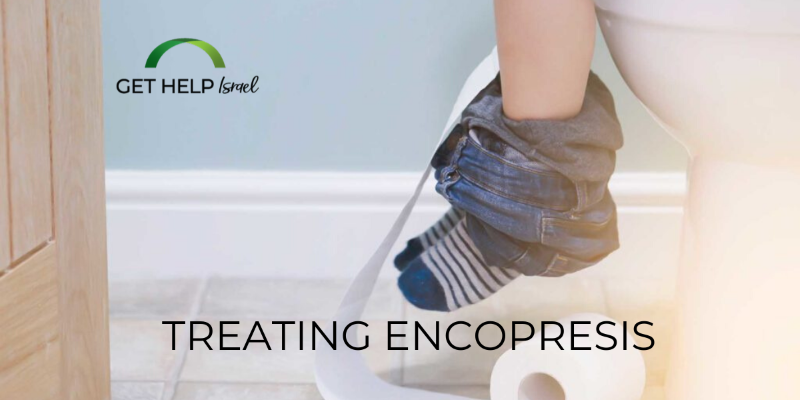
Encopresis: A Four-Pronged Treatment Approach
By: Sara FeinbergEncopresis, more commonly called “soiling” or fecal incontinence, refers to the involuntary passage of feces. Typically, this condition results from chronic constipation, but it can also be triggered by emotional issues. Encopresis, which has a 9% occurrence rate worldwide, is not considered to be a medical condition until a child is 4 years old. While encopresis is often very distressing to both the child and the family, it is treatable. The earlier treatment begins, the better the outcome. In my years of private practice as an art therapist, I have successfully treated many children with encopresis using the following four-pronged treatment approach.
Read More.png)
Imagination Makes Sense
By: Sara JacoboviciWe are sensory beings, and one of the earliest abilities that we acquire is imagination. Imagination allows us to form mental images of things not currently sensed, simulate possible future scenarios, create novel ideas, and engage in symbolic thinking.
Read More
Back To School With ADHD
By: Linda AvitanAdvice to parents who face particular challenges around back-to-school among children with ADHD. Suggestions are offered in the context of common challenges such as difficulties with lack of routine, learning new habits and impulsivity. I invite parents to consult with me to examine ways to understand what's behind certain behaviors and build strategies, smoothing the way for better coping.
Read More
Re-Frame Rejection so You Can Successfully Move Forward in Relationships
By: Micki Lavin-PellI have been rejected more times than I can count. By friends, boys, jobs, my kids, you name it… One of my most memorable rejections happened while in 6th grade. My English teacher encouraged us to write a journal, which I kept "hidden" in my desk. In it, I wrote all about a crush I had on a boy named Joey, a fellow classmate. I forgot that in the morning we sat at one desk and in the afternoon another. A fellow classmate found my journal and proceeded to read that very entry aloud to the entire class during recess.
Read More.png)
Can You FIX her?
By: Daniel FundThe short answer? You cannot "fix" your wife. But you don't need to. You need something else a whole lot better...
Read More
How to Track Anxiety and Help Resolve It
By: Ruth ShidloWe need our ‘signal’ anxiety, because otherwise, we’d be more vulnerable to danger.
Read More
Valuable Tips to Manage Pain
By: Ruth ShidloGiven what we know today, it appears likely that unresolved trauma, whether minor or major, plays a role in the persistence of chronic pain, through mechanisms of kindling (a self-perpetuating phenomenon of neural excitation) and priming (in which the brain readies itself to respond a certain way), that cause us to continually brace ourselves against the threat that caused the pain or the internal threat of pain itself. This is great news, because it means that to the extent that the trauma is worked through at the body/mind level, the pain should either disappear or lessen.
Read More
Beginnings & Endings: Making Sense of Life Changes
By: Keren BurgmanThe holiday season has ended, the parties and festivities subsided, and we come back to…
Read MoreFor Soldiers and Reservists in Active Duty