
The GHI Fund proudly support soldiers, lone soldiers, and active reservists in funding trauma therapy via private practice multilingual therapists to provide imminent specialized care. Soldiers can select their own therapist through our database of participating therapists.
.png)
Taking a U Turn From Thought: A Mindful Pathway Out of Trance
By: Karen Burgman“Who is your enemy?” said the Buddha. “Mind is your enemy. Not one can harm you more than a mind untrained. Who is your friend? No one can assist you and care for you better than your mind well-trained. Not even the most loving mother or father.”
Read More.png)
Resilience Series Part 2
By: Esther Adams AharonyThe ups and downs of life are associated with a rainbow variety of emotions; some are dark, and some are light. The intensity of these emotions can vary as well. Some of us have dense and opaque emotions when our emotional reactions are high. This increased emotional reactivity can tint everything the same shade or reduce our ability to see beyond these emotions, which may further reduce our ability to cope with adversities. The good news is that we can use a few strategies to keep our emotional reactivity in check, such as grounding ourselves, cultivating somatic skills, and engaging in some mindful physical exercises.
Read More.png)
Bagruyot Testing Accommodations for Olim
By: Michael RothThe primary focus here will be on accommodations for the Israeli Bagruyot. Providing accommodations at the Elementary school level is usually at the discretion of the school based upon psycho-educational testing. The Elementary school is not obligated in any way to provide the recommended accommodations and likewise can decide to allow them without a specific recommendation. There is no regulatory body regarding testing accommodations at the Elementary level.
Read More
On Becoming a Personal Scientist: Beginnings
By: Ruth ShidloAs the baby gains enough safety and security via his attachment systems with the significant people in his life, he is able to identify and then befriend the familiar within the strange.
Read More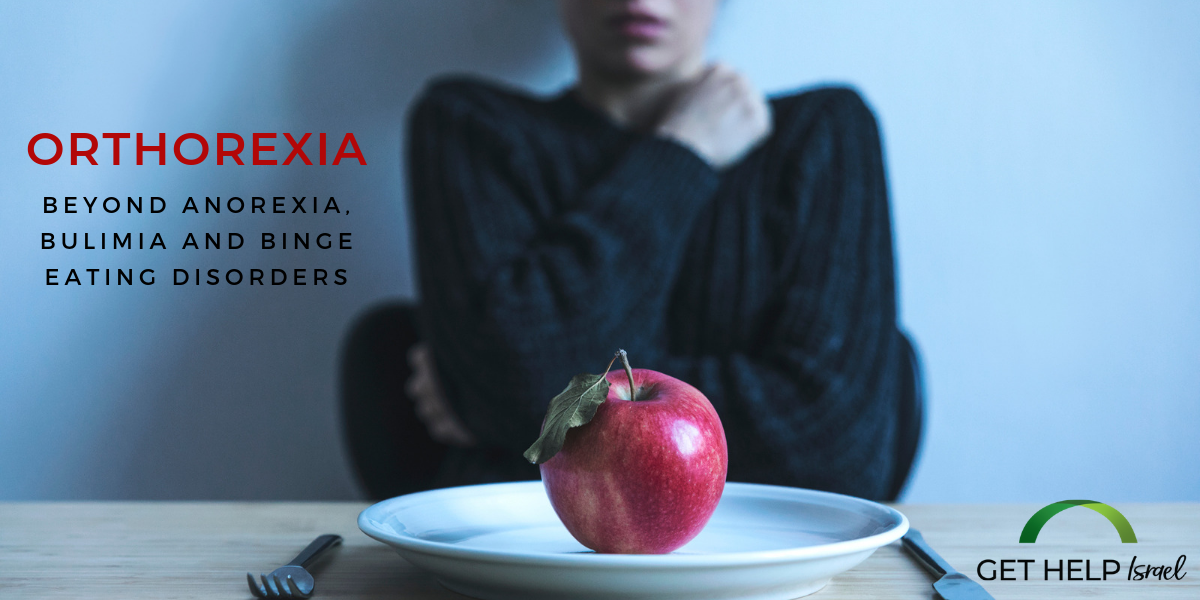
Beyond Anorexia, Bulimia and Binge Eating Disorder: Understanding The Spectrum of Disordered Eating Behaviours
By: Hadassah (Johanna) Hazan
I feel frustrated when people dismiss lesser well-known disordered eating behaviours. My experience has led me to very confidently believe, that no one ends up in these sort of patterns, without there being something else going on, something that feels as if it requires some sort of distraction from, or total obliteration of. These things need healing. If they aren’t, they persist and the behaviours (coping mechanisms) developed to deal with them become harder to shift out of, thus limiting a person’s life ever more destructively.
Read More

10 Ways to Improve a Marriage
By: Naomi SternbergWouldn’t it be wonderful if there were just 10 do it yourself fix it solutions…
Read More.png)
Can You Commit to Love Without All the Facts?
By: Micki Lavin-PellWhen we choose to marry, we often don't know everything. There are often things that are missing. After all, we haven’t seen how our partner behaves in a variety of circumstances, many of which they haven’t yet encountered. But more importantly we don’t always know ourselves. So we search for things to worry about in our partner in hopes of having some level of control. Not wanting to come to terms with the fact that we can't control the other. However, there is one element of control, and this lies within ourselves.
Read More.png)
The Connection Between ADHD and Anxiety Disorders or Depression
By: Aviva Zahavi-AsaSeveral theories exist to explain the higher incidence of anxiety disorders or depression among individuals with ADHD. One theory presumes that because the same neurobiological systems that control attention also control mood, it is reasonable to assume that the neurological causes of ADHD also cause anxiety disorders or depression. Another theory posits that anxiety disorders or depression are an outcome of living with ADHD, especially if attention difficulties have gone undiagnosed or untreated for many years, often leading to chronic feelings of failure, frustration, disappointment and being overwhelmed.
Read More.png)
How to Connect With Your Partner in the Pandemic and Beyond
By: Judy MarkoseConsider this dream: you and your partner experience the pandemic with your marriage intact and your family even closer and more connected than ever. You can practice a more loving way of relating, with more kindness and giving. This blog offers practical tips for becoming a great communicator, being a generous listener, and adding gratitude to your relationship.
Read More.png)
Can Adolescents Act Abusively?
By: Aviva Zahavi-AsaParents are often reluctant to admit that their teenager is acting in ways which are abusive due to their own feelings of guilt, shame or a sense of failure. In some of these cases, the adolescent was exposed to domestic violence or experienced abuse within the family at an earlier age and then repeats familiar family patterns at a later stage. In other cases, however, no history of abuse exists within the family.
Read More
Dying at a Distance: Grief During Covid
By: Jeanne LankinHumans are incredibly resilient. I am constantly in awe of the people that I speak to, in my role as a bereavement therapist, who are creating amended rituals to help them cope with their painful losses. There is no correct answer to our predicament. It feels unfair to be deprived of the comfort of our traditions that help guide and heal mourners. However, we can try to creatively engage in meaningful adaptations of our rituals during this crisis to help us process our grief.
Read More
Fundamentals of Trauma Recovery, Part 2
By: Chava LedererYou can help your brain register that you survived — you are here — to find more stability and presence in your daily life.
Read More.png)
Cultivating Self-Care
By: Esther Avital GottesmanIn its most general sense, self-care is often equated with self-pampering. Given this notion, it can be seen as selfish. However, that idea is mistaken.
Read More.png)
Understanding Group Therapy: Benefits, Core Principles, and Distinctions
By: Malka CohnTherapists often discuss the need for their clients to have supplemental support and another avenue for self-growth and reflection. Group Therapy, also known as a Process Group is more than support. It is a social microcosm where personal struggles are discussed in the here-and-now. While sharing similar benefits as other group models, it becomes a living family dynamic where members can support, challenge and model healthy interactions with guidance of the therapist group leader.
Read More
In Relationship with Mental Illness
By: Chava LedererIf your spouse suffers from a mental health issue or addiction, there are some concrete steps you can take to improve your life. These are the first pieces of building your relationship.
Read More.png)
Am I Depressed or Just Sad?
By: Jeni DantoGrowing up, I remember people saying, “I’m so depressed.” What made them so depressed? Various…
Read More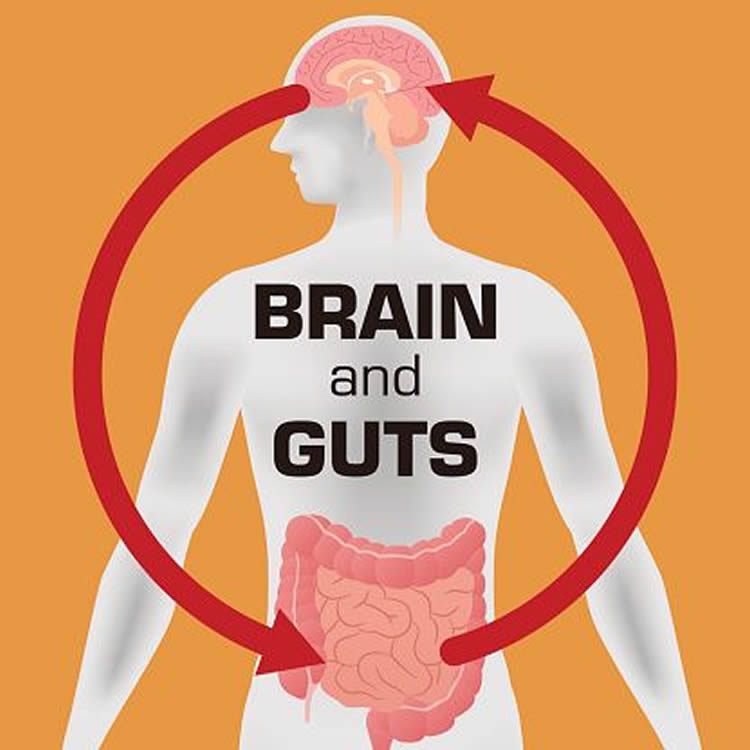
Of Guts and Brain: The Gut-Brain Axis
By: Ruth ShidloIf you are willing to make a few changes, “disease goes away as a side effect of health.” (Hyman, 2012, p. 29)
Read More
Fundamentals of Trauma Recovery, Part 5
By: Chava LedererIf you feel ashamed in relation to any part of your trauma, you deserve to connect with others and experience the relief that comes with dissipating shame.
Read More
How to Choose the Right Therapist
By: Tanya ProchkoChoosing the right therapist may feel overwhelming. Here are some tips to help guide you.
Read More.png)
Chewbacca Visits: The Power of a Dream
By: Robin B. ZeigerDreams bring images and messages from the depths of our soul. It is our psyche’s way of compensating for our conscious life, which is only one-half of our life-story. Our dream life brings a richness and ebb and flow to our daily existence. Likewise when we are in touch with our unconscious, there is a flow to our daily existence much like the ebb and flow of the waves of the sea. Our unconscious helps bring us light and creativity and vitality.
Read MoreFor Soldiers and Reservists in Active Duty